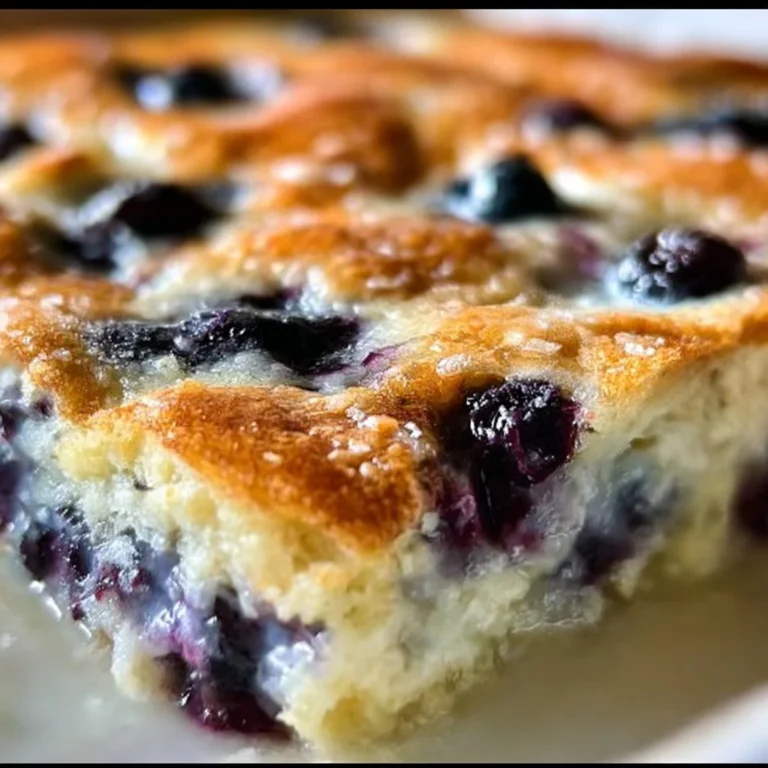
Croissant Bread

While we have provided a jump to recipe button, please note that if you scroll straight to the recipe card, you may miss helpful details about ingredients, step-by-step tips, answers to common questions and a lot more informations that can help your recipe turn out even better.
I believe breakfast should be dramatic and buttery, like a love letter you can eat, which is why I will fight anyone who calls a roll “just a roll.” Also: Croissant Bread is the compromise between “I have no time” and “I have too much dough” and I will defend that stance until someone offers a better pastry. For context (because of course I have context): this feels like the era of making everything from scratch while also ordering pizza.
I once tried to make this and it smelled like burnt sadness. The oven made a noise—like an elephant clearing its throat—and the texture was rubber meets disappointment. I thought: maybe it’s the yeast? No, it’s definitely me. (Also maybe it’s the old measuring cup I inherited from my aunt—bless her, but that thing is a liar.) There was a stage where the dough sounded hollow, which I mistook for “airy” but was actually “empty inside,” and the croissant ends flopped like tiny sad tongues. My kitchen smelled of butter and regret for an entire day. I cleaned, rewound, Googled, cried, then tried again with a different playlist.
How I repeatedly ruined it (and learned from each ugly loaf)
The first few attempts were a montage of alarming smells: overbaked caramel on top, a faint sour note like a gym sock, and that weird plastic-ish undertone when butter overheats. Texture-wise, I got everything from concrete to the kind of chew that makes your jaw file for unemployment. I would roll, fold, and then roll some more like I thought persistence alone would create layers. It didn’t. Sometimes the dough hissed when I opened the oven (dramatic, but not a good sign). Once, a croissant unrolled mid-bake and looked like a crescent moon that had lost its patience. I taste-tested failures like it was my job. (Maybe it was?)
Why this version finally behaves like a human breakfast companion
I made small, annoying changes that somehow mattered. Cooler butter. Shorter rolling sessions. Letting the dough be moody and rise on its own schedule. Emotionally, I stopped trying to control everything (a little), and practically, I measured like a forensic scientist (a lot). Also I borrowed layering techniques from a recipe that once taught me patience—the same one that birthed my obsession with texture in my banana bread brownies experiment—yes, that’s related, do not roll your eyes. The result: flaky, slightly chewy, buttery layers that have their own personality. Sometimes I wake up and wonder if it’s still magic, or if I just finally paid attention. Probably both.
Ingredients
- 4 cups all-purpose flour
- 1/4 cup granulated sugar
- 1 tablespoon salt
- 1 packet (2 1/4 teaspoons) active dry yeast
- 1 1/4 cups whole milk (warm)
- 1/2 cup unsalted butter (softened)
- 1 1/2 cups unsalted butter (for lamination)
- 1 egg (for egg wash)
If you care about budget, texture, availability—buy the butter that makes you feel like an adult (European-style if you’re splurging), or don’t bother and use what’s on sale; both paths lead to buttery joy in slightly different ways.
Cooking Unit Converter
If you get weird about cups versus grams (I do, sometimes), there’s a quick tool to translate quantities.
How to make it (with my chaotic brain in tow)
- In a bowl, combine warm milk and yeast; let it sit for about 5 minutes.
- In a large mixing bowl, mix flour, sugar, and salt.
- Add the yeast mixture and softened butter to the dry ingredients and mix until a dough forms.
- Knead the dough for about 5-10 minutes until smooth.
- Let the dough rise in a lightly greased bowl for about 1-2 hours or until doubled in size.
- Roll out the dough and incorporate the cold butter using the lamination technique.
- Fold and roll the dough several times to create layers.
- Cut the dough into triangles and roll each triangle to form the croissant shape.
- Place on a baking sheet and let rise for about 1 hour.
- Preheat the oven to 400°F (200°C).
- Brush croissants with egg wash and bake for 15-20 minutes until golden brown.
- Allow to cool slightly before serving.
Also—this is not a linear thing. You’ll switch between feeling like an artisan and feeling like you’re on a cooking game show. TIP: keep the butter cold unless you’re trying to invent a new type of flatbread. INTERRUPT yourself with a coffee. BREATHE. Then, fold again.

Household chaos and the comment section in my kitchen
Are you the person who folds the laundry while bread is proofing? Me too, except I inevitably poke the dough. Do you play music loud enough that the neighbors assume you joined a jazz band? Same. Have you ever hidden a croissant because you were afraid someone would steal it from the cooling rack? I have—behind the cereal boxes. Also, if you’re into shortcuts, try my tweak that comes from an accidental mash-up with my banana chocolate chip cookie hack—no, it’s not the same thing, but don’t discount the crossover potential. Tell me your oven lies in the comments? Do it.
Common things people yell at me (FAQs)
Most likely the butter melted into the dough. Chill the butter and the dough; work faster but not frantic. Also, maybe stop talking to it.
Yes, you can swap it, but adjust the proofing expectations. Instant is impatient; active dry is melodramatic. Both will live.
Wrap them loosely in foil or a beeswax wrap and freeze if you’re not going to finish them in 48 hours. Reheat in oven to revive the crisp. Don’t microwave unless you enjoy misery.
Yes. But add sparingly, or you’ll turn a delicate laminated miracle into a soggy mess. Balance is key—emphasis on “try small.”
Absolutely. Par-bake or proof overnight in the fridge. It feels like cheating, but it’s the best kind: the honest kind.
I have thoughts about butter: it is the hero and also the villain depending on your cholesterol conversation with yourself. Making croissant bread taught me patience, shame, and how to hide pastries from my roommate (very important skills). Also, sometimes I think the perfect loaf is a myth made by people who don’t have kids, or apartments with one oven and three ambitions. But then the oven pings and there it is—golden, layered, slightly smug—and I forget the chaos for a minute until the smoke alarm remembers it exists and reminds me I should probably open a window and maybe call my mother back about that thing she asked me to do last week and—
Daily Calorie Needs Calculator
If you’re counting or curious about portions and energy, this handy tool does the math for you.

Croissant Bread
Ingredients
Dough Ingredients
- 4 cups all-purpose flour Use for the main dough.
- 1/4 cup granulated sugar Adds sweetness.
- 1 tablespoon salt Balances flavors.
- 1 packet (2 1/4 teaspoons) active dry yeast For leavening.
- 1 1/4 cups whole milk (warm) To activate the yeast.
- 1/2 cup unsalted butter (softened) For the dough.
- 1 1/2 cups unsalted butter (for lamination) Keep cold for layering.
- 1 each egg (for egg wash) To give croissants a golden finish.
Instructions
Preparation
- In a bowl, combine warm milk and yeast; let it sit for about 5 minutes.
- In a large mixing bowl, mix flour, sugar, and salt.
- Add the yeast mixture and softened butter to the dry ingredients and mix until a dough forms.
- Knead the dough for about 5-10 minutes until smooth.
- Let the dough rise in a lightly greased bowl for about 1-2 hours or until doubled in size.
Laminating the Dough
- Roll out the dough and incorporate the cold butter using the lamination technique.
- Fold and roll the dough several times to create layers.
Shaping and Baking
- Cut the dough into triangles and roll each triangle to form the croissant shape.
- Place on a baking sheet and let rise for about 1 hour.
- Preheat the oven to 400°F (200°C).
- Brush croissants with egg wash and bake for 15-20 minutes until golden brown.
- Allow to cool slightly before serving.