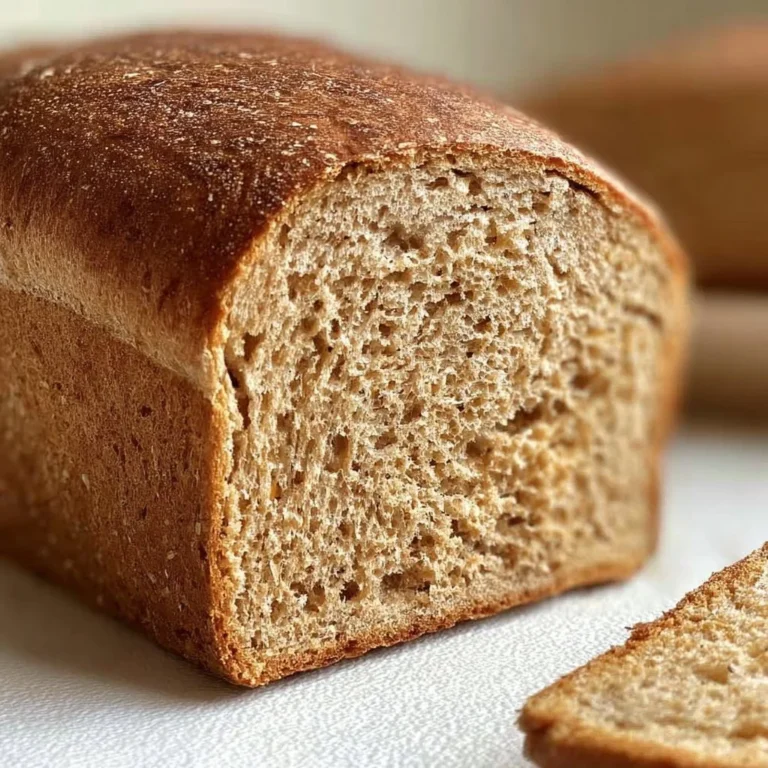
Quick and Easy Italian Bread Recipe for Perfect Homemade Loaves

While we have provided a jump to recipe button, please note that if you scroll straight to the recipe card, you may miss helpful details about ingredients, step-by-step tips, answers to common questions and a lot more informations that can help your recipe turn out even better.
I believe bread is basically emotional labor that rewards you with carbs. Also, I believe store-bought loaves are underrated villains (soft, suspicious, and often sad). Make your own and you’ll feel very domestic and slightly smug — which is honestly the point. This Quick and Easy Italian Bread is my compromise with the universe: it’s forgiving, fast-ish, and smells like nostalgia. If you’ve ever burned toast and called it artisanal, you can do this. Also, yes, I once tried to use a waffle iron for dough. Don’t ask.
I also once followed a recipe for an Italian herb and cheese bread and thought I was fancy. I was not. But I learned.
When Italian bread night went catastrophically wrong and smelled like regret
I remember the first time I attempted this — except it wasn’t this version, it was the one I invented at 1 a.m. because I was angry and hungry. The dough… smelled like pennies? Like yeast trying to be dramatic. It never rose, which is rude. I poked it and it made a sad little thud (not the majestic bounce I was promised). I tried to salvage it by cranking the oven to "maybe if it’s hotter it’ll believe in itself," which is a terrible life choice. The crust burned, the inside was gummy, and there was smoke. My smoke alarm clapped at me for a full minute like a disappointed audience.
Embarrassing details: flour on the ceiling (how?), dough under the fridge (how?), the exact sound my neighbor’s dog makes when judging carbs (you’d know it if you heard it). I learned—through tears and pizza delivery—that bread has moods and mine were petty.
Why this version finally behaves (mostly)
I changed two things and my kitchen stopped staging interventions. One: I stopped overcomplicating with too many add-ins at the start (cheese can wait). Two: I let the yeast do its thing without interrogating it every 37 seconds. Emotionally I got calmer; practically I used warm water (not hot, not tepid—warm like a hug), measured the yeast properly (that packet! so innocent), and gave the dough one honest rise.
This Quick and Easy Italian Bread works now because it is simple and honest, like therapy but with flour. There’s confidence here, yes — but also a tiny nagging doubt that if I don’t score the top just so it will explode like a loafy volcano. Also, if you bake a lot you build weird trust with your oven. Also, if you can put together a tasty Asian zucchini side while the dough rises, you are basically a multitasking deity. No pressure.
What you need (and the things I will comment on because I can’t help it)
- 3 cups all-purpose flour
- 1 packet (2 1/4 teaspoons) active dry yeast
- 1 teaspoon salt
- 1 tablespoon sugar
- 1 cup warm water
- 1 tablespoon olive oil
Budget note: flour is cheap and forgiving; upgrade later if you’re fancy (hi, bread flour). Texture note: more kneading = chewier crumb; less kneading = soft and slightly lazy loaf. Availability note: yeast is finicky in terms of shelf-life; if the packet is ancient it will sulk and do nothing. Also, butter is delightful for slathering but optional (and I will judge you if you skip it).
Cooking Unit Converter
If you’re the type who measures with feelings, this little tool can be useful.
How the hell you actually make it (but not a drill-sergeant voice)
- In a large bowl, mix warm water, sugar, and yeast. Let it sit for about 5-10 minutes until foamy.
- Add flour, salt, and olive oil to the yeast mixture. Stir until combined.
- Knead the dough on a floured surface for about 5-7 minutes until smooth.
- Place the dough in a greased bowl, cover with a cloth, and let it rise in a warm place for 1 hour or until doubled in size.
- Preheat the oven to 425°F (220°C).
- Shape the dough into a loaf and place it on a baking sheet. Score the top with a knife.
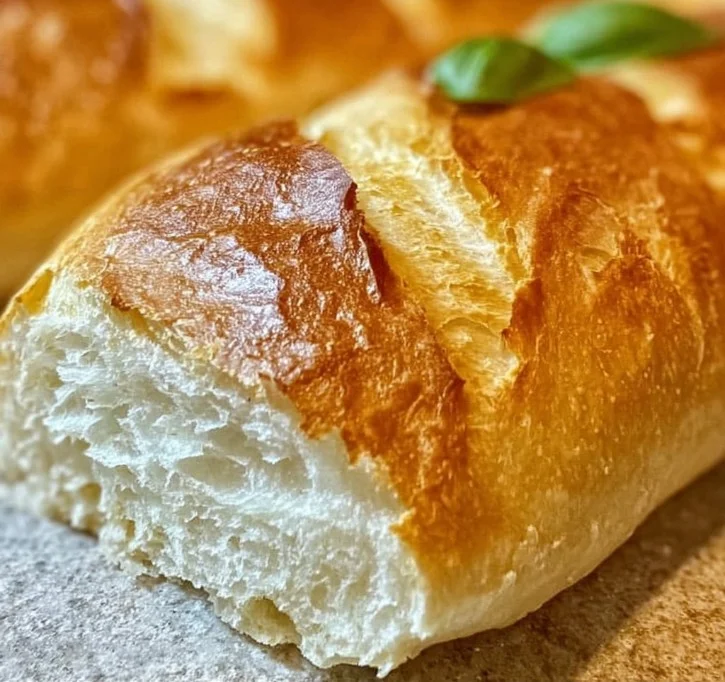
- Bake for 25-30 minutes until golden brown and sounds hollow when tapped.
- Allow to cool slightly before serving warm with butter or dipping sauces.
Non-linear explanation: sometimes dough will flirt with you (rise quickly) or ghost you (stay flat)—that’s life. If you’re impatient, shove it in a warmer spot (not too hot), but don’t stand over it like a suspicious parent. Also: scoring is decorative and functional, but if you miss, the bread will still feed you. IMPORTANT: breathe.
Household chaos, reader confessions, and unsent messages
Do you also have a drawer full of measuring spoons that only get used once? Do you talk to your bread? No? Just me? Tell me everything. If your kid insists on adding "extra love" to the dough, let them—it’s probably just flour plus chaos but whatever, memories. Who else times their oven like it’s a relationship (preheat, flirt, regret)?
Ask me questions: do you knead like it’s therapy or like you’re trying to massage out bad vibes? Do you own three proofing baskets and use none? I assume we share the same grocery store aisles and the same guilty pleasure for garlic butter. Also, have you tried topping with coarse salt and rosemary? It’s fine. Not fine. Divine. If you want to riff, try making a quick flatbread version—speaking of which, I once transformed leftover dough into a spinach and feta flatbread pizza at 10 p.m. and my life briefly made sense.
Yes, but adjust — instant yeast can be mixed directly with flour (skip the proof step). I still proof sometimes because I like theatrics.
It should roughly double; poke it gently and it’ll slowly spring back. If it’s a ghost, it needs more time. Or attention.
You can, if you want to outsource the elbow work. I’ll judge your laziness with love. Follow your machine’s wet/dry settings and add ingredients in the recommended order.
Oven temp or shape. Too hot and fast can brown the exterior before the center sets; also a tightly shaped loaf keeps moisture in. Try slightly lower temp or longer bake next time.
Yes to both. Freeze baked slices for quick mornings; freeze dough after the first rise for future you. Thaw, then proof a bit before baking.
I always get weirdly sentimental about bread — it’s literal comfort and also a small, controllable miracle. If I sound dramatic, it’s because I once cried over a loaf and then ate it. Also, I’m distracted by something shiny in the kitchen and possibly the neighbor’s cat, so if I don’t finish this sentence, blame the butter.
Daily Calorie Needs Calculator
If you’re counting (or just curious), this little calculator helps estimate energy needs while you bake and eat with gusto.

Quick and Easy Italian Bread
Ingredients
Bread Ingredients
- 3 cups all-purpose flour Flour is cheap and forgiving; upgrade to bread flour if desired.
- 1 packet active dry yeast (2 1/4 teaspoons) Ensure yeast is fresh for best results.
- 1 teaspoon salt
- 1 tablespoon sugar
- 1 cup warm water Warm like a hug for the yeast.
- 1 tablespoon olive oil
Instructions
Preparation
- In a large bowl, mix warm water, sugar, and yeast. Let it sit for about 5-10 minutes until foamy.
- Add flour, salt, and olive oil to the yeast mixture. Stir until combined.
- Knead the dough on a floured surface for about 5-7 minutes until smooth.
- Place the dough in a greased bowl, cover with a cloth, and let it rise in a warm place for 1 hour or until doubled in size.
Baking
- Preheat the oven to 425°F (220°C).
- Shape the dough into a loaf and place it on a baking sheet. Score the top with a knife.
- Bake for 25-30 minutes until golden brown and sounds hollow when tapped.
- Allow to cool slightly before serving warm with butter or dipping sauces.