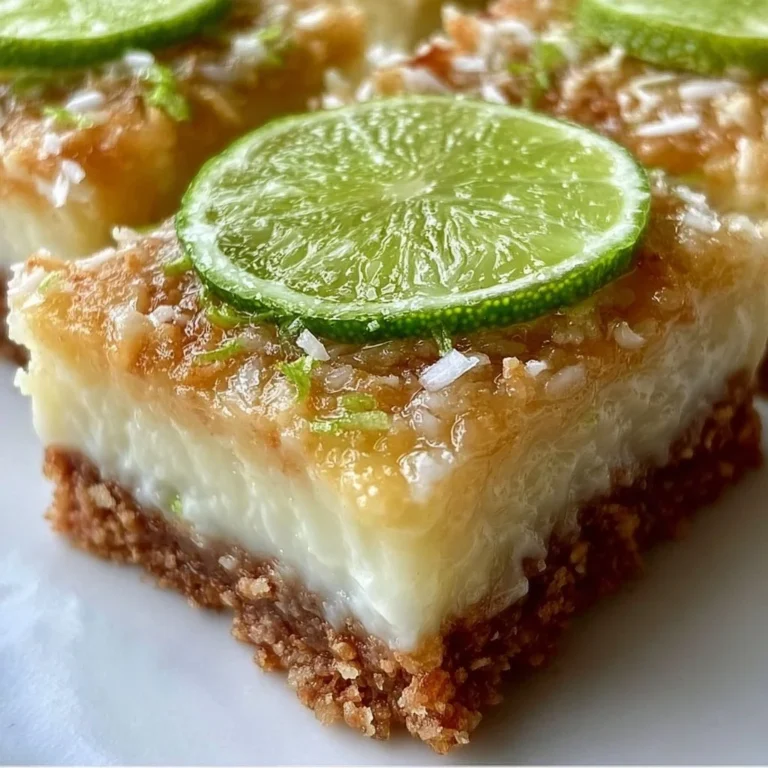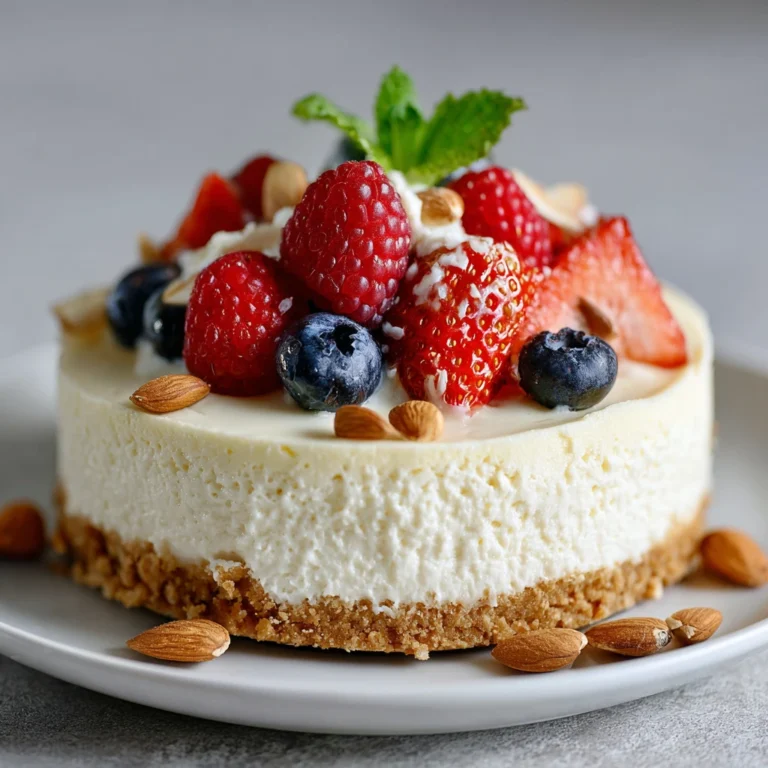
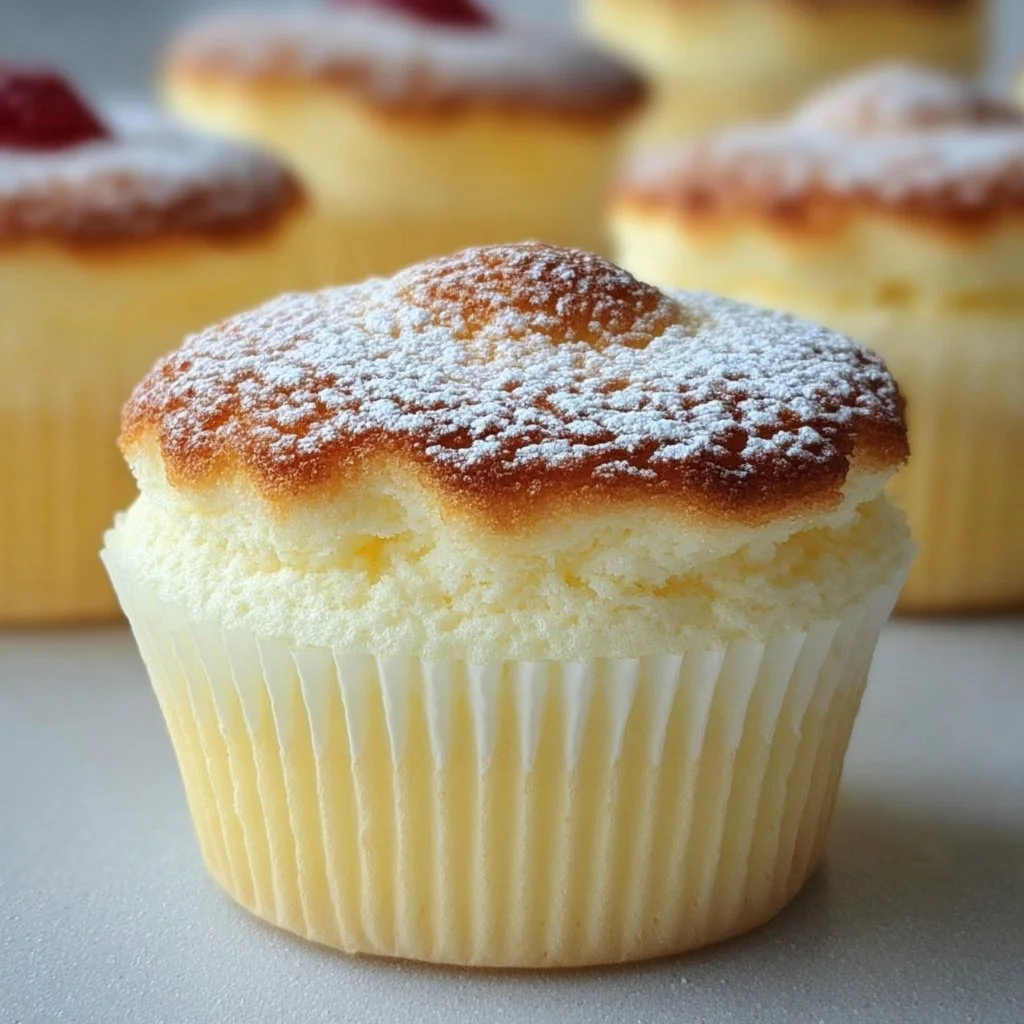
Japanese Cotton Cheesecake Cupcakes
While we have provided a jump to recipe button, please note that if you scroll straight to the recipe card, you may miss helpful details about ingredients, step-by-step tips, answers to common questions and a lot more informations that can help your recipe turn out even better.
I firmly believe that a good dessert should be slightly dramatic — like Thanksgiving at my cousin’s (you know, the one who brings three charts about gravy) — and also forgiving enough to survive a kitchen disaster. If you buy three tubs of cream cheese at Trader Joe’s because you’re “prepared,” and then forget they’re in the car overnight (oops, Midwest brain), this is the recipe you make to win everyone back. (Also: yes, cupcakes. Because individual portions = hosting survival.)
How I Torched (and Then Redeemed) My Cheesecake Dreams
I have burned more cheesecakes than I’d like to admit. One Thanksgiving I poked a beautiful, quivering cake (because I’m curious and impatient) and it collapsed like a soufflé on NPR — in front of Aunt Linda, who judges my life choices with a pie server. The texture was rubbery, the top was oddly browned, and the whole thing smelled like burnt ambition. Specific sensory detail? Imagine slightly sulfurous eggs + bitter overcooked edges + the faint scent of despair. Also, a dog ate a corner. Real life.
I first tried a lightweight approach years ago and I was convinced “less is more.” It was not. The first batch of Japanese Cotton Cheesecake Cupcakes I made was either too dense (like a regret) or too wet (like a hanging-on-to-sauce-logic). If you want the cloudlike lift without the wobble, you need technique and a forgiving recipe — which is what I’m handing you after a few hundred tries and approximately one ruined Thanksgiving. Also, if you like shortcuts, I have a no-bake option tucked away here: 3-Ingredient No-Bake Cheesecake (not the same thing, obviously, but comforting).
Why This Version Finally Works (and Why You’ll Love It)
I learned that the key is gentle folding, room-temp ingredients, and not overbaking into a leathery sweater. This version — yes, these Japanese Cotton Cheesecake Cupcakes — hits the magic trifecta: airy crumb, subtle tang, and a top that’s lightly golden instead of sunburned. What changed? I stopped treating eggs like a suggestion and started treating them like the drama queens they are (separate yolks and whites when recommended; whip those whites properly). Also: a small amount of cornstarch for structure, and lower heat so the cupcakes rise and set slowly (we want marshmallow, not masonry). For the chocolate devotees who want to commit to decadence next time, try this richer option: Rich Creamy Chocolate Cheesecake (you’ll thank me later).
What’s in these clouds (Ingredients)
- 1 cup cream cheese
- 1/2 cup sugar
- 1/4 cup milk
- 1/4 cup unsalted butter
- 3 large eggs
- 1/4 cup all-purpose flour
- 1/4 cup cornstarch
- 1 teaspoon vanilla extract
- A pinch of salt
Thoughts: I use Trader Joe’s cream cheese because it’s affordable and unpretentious (I’m cooking for people, not hosting a magazine shoot). Cornstarch is a humble hero — cheap, easy, and it gives that silken bounce. If you’re pinching pennies, you don’t need fancy flour; texture matters more than branding. Also, please don’t skip the pinch of salt. Salt is like a good friend at Thanksgiving: quietly makes everything better.
Tiny Math for Bakers (Unit Converter)
A simple line to help you convert cups to grams if you’re that person who owns scales and trust them more than fate.
The Actual Baking: Step-by-Messy-Step
Follow these exact directions, yes, verbatim, then read my messy commentary below:
- Preheat the oven to 320°F (160°C) and line a cupcake tin with liners.
- In a mixing bowl, beat the cream cheese until smooth. Add sugar, milk, and butter, mixing until well combined.
- Add eggs one at a time, beating well after each addition. Stir in flour, cornstarch, vanilla extract, and salt until everything is incorporated.
- Pour the batter into the prepared cupcake liners, filling them about 2/3 full.
- Bake for about 20-25 minutes or until the tops are lightly golden and a toothpick comes out clean.
- Allow to cool in the pan for a few minutes before transferring to a wire rack to cool completely. Serve chilled or at room temperature.
Non-linear notes (because I can’t help myself): room-temperature cream cheese = smoother batter, fewer lumps (yes, it matters). When you add eggs, do them one at a time — you’re coaxing structure, not speed-dating. Fill liners 2/3 full so they don’t explode into each other (a tragedy, but fixable). If the top browns too quickly, tent with foil (this is when I shout at my oven like it owes me money). And for chilling: these are actually better a little chilled — they firm up and become deliciously sliceable (cupcake logic).
Oh, and if you want something apple-and-caramel adjacent for fall hosting chaos (because everyone brings pie and then also wants cheesecake), consider this hybrid: Salted Caramel Apple Pie Cheesecake. Not mandatory. But also, yes, mandatory.
The Real Oven Test
Listen, I’ll be honest: baking amidst kids asking for snacks, dogs trying to taste-test everything, and a sibling who thinks “helping” means moving the timer away is chaotic. You need a recipe that tolerates interruptions. These cupcakes? Forgiving for a five-minute distraction (not a five-hour one — I won’t lie to you). If your kitchen looks like a Thanksgiving tornado, prioritize the batter and then herd the people — the cupcakes will mostly behave. Also, set multiple timers because Aunt Linda will call asking for the cranberry recipe.
Cheat Sheet Q&A (Because You Will Ask)
Yes-ish. You can prepare the batter and refrigerate for a few hours, but whip the batter briefly before filling cups; cold egg whites don’t fold well.
Too hot or too fast. Lower the oven temp next time and tent with foil if they’re getting too brown. Also — don’t open the oven early. Impatience ruins loft.
You can, but texture won’t be as luscious. Think of low-fat as the diet guest who’s technically invited but not fully present.
Refrigerate in an airtight container for up to 4 days. They’re delightful chilled or at room temp. (Also: if they’re still around after day two, consider bringing them to work and disappearing.)
Yes — freeze un-iced cupcakes in a single layer, then bag them. Thaw in the fridge overnight. They’ll survive and be kind to you.
I am aware this post reads like a glazed confessional — equal parts baking manual and therapy session. I also know you’ll botch one batch and then nail the next, because that’s how these things go. And if you bring these Japanese Cotton Cheesecake Cupcakes to a chaotic holiday table, there will be compliments (and someone will compare them to their grandmother’s and we will all lie a little). Okay wow… I have to go check the oven, because I always think one more batch is a good idea.
How Many Calories Would Your Apple Pie Cheesecake Steal? (Calculator)
A quick tool to estimate daily needs and how many cupcakes you can justify eating (science-adjacent).
Japanese Cotton Cheesecake Cupcakes
Ingredients
For the Cupcakes
- 1 cup cream cheese Use Trader Joe's for best results.
- 1/2 cup sugar
- 1/4 cup milk
- 1/4 cup unsalted butter
- 3 large eggs Room temperature.
- 1/4 cup all-purpose flour Texture matters more than branding.
- 1/4 cup cornstarch Provides structure.
- 1 teaspoon vanilla extract
- a pinch salt Enhances flavors.
Instructions
Preparation
- Preheat the oven to 320°F (160°C) and line a cupcake tin with liners.
- In a mixing bowl, beat the cream cheese until smooth. Add sugar, milk, and butter, mixing until well combined.
- Add eggs one at a time, beating well after each addition. Stir in flour, cornstarch, vanilla extract, and salt until everything is incorporated.
- Pour the batter into the prepared cupcake liners, filling them about 2/3 full.
Baking
- Bake for about 20-25 minutes or until the tops are lightly golden and a toothpick comes out clean.
- Allow to cool in the pan for a few minutes before transferring to a wire rack to cool completely. Serve chilled or at room temperature.