Chicken Chow Mein with The Best Chow Mein Sauce

While we have provided a jump to recipe button, please note that if you scroll straight to the recipe card, you may miss helpful details about ingredients, step-by-step tips, answers to common questions and a lot more informations that can help your recipe turn out even better.
I believe midweek food should feel like a warm insult: comforting, a little excessive, and totally justified. Also: Chicken Chow Mein with The Best Chow Mein Sauce is the only thing that makes me not order takeout on Tuesdays — which feels like civic duty? (Also feels like rebellion.)
The time I charred the noodles and my kitchen judged me
I once, bravely, decided to “wing it” and turned every expectation — and my smoke detector — into confetti. The smell? Not the good toasted sesame kind. More like regret and burnt sugar and that particular smell you get when a pan’s been left on the stove too long and the apartment downstairs starts to text you passive-aggressively. The noodles went floppy-sad in a way I didn’t think was physically possible. The chicken sounded like it was doing a magic trick — first crunchy, then rubber, then… gone. I learned things: timing is a betrayal, oil has a mood, and my sense of rhythm in the kitchen is inconsistent at best. Also I cried a little? (Don’t ask why; sometimes onions are just dramatic.) Anyway I’ve failed this dish in surprisingly specific ways — soggy cabbage that sounded like wet paper, sauce that separated like a bad relationship — and I’m still scarred. But also committed.
In case you’re wondering, yes I occasionally compare recipes to exes. It helps.
Why this version finally doesn’t embarrass me (too much)
This version works because I stopped pretending the wok is a hairdryer and started treating it like a responsible adult appliance. Small realization: temperature control > hustle. Emotionally I relaxed (a smidge), practically I changed oil amounts and whisking sequence. Also I stopped overcooking the noodles — radical, I know. The sauce — the heart of Chicken Chow Mein with The Best Chow Mein Sauce (there I said it again; it deserves emphasis) — needed one tiny tweak: cornstarch before the heat, not after, and the sesame oil added off-heat so it doesn’t go bitter. Confidence: medium-high. Doubt: lingering (my smoke alarm is still suspicious).
Also, if you have twelve minutes and a short attention span, this is basically a superhero outfit for dinner. And yes, if you’re the sort of person who once baked twelve loaves of banana bread in a pandemic, I see you. If you prefer things Greek sometimes (gyros with feta tzatziki), we can still be friends.
Ingredients (read like a grocery note you left on the counter and then forgot about)
- 1 lb chicken breast, boneless, skinless
- 3 tbsp oil (neutral like canola or vegetable)
- 12 oz chow mein noodles (uncooked)
- 2 cups cabbage, shredded
- 1 large carrot, julienned
- ½ batch green onions, chopped
- 2 garlic cloves, minced
- 6 tbsp oyster sauce
- 3 tbsp low-sodium soy sauce
- 3 tbsp light sesame oil (not toasted)
- ½ cup chicken broth
- 1 tbsp cornstarch
- 1 tbsp granulated sugar
Budget-friendly swap: extra cabbage stretches the meal and adds crunch; texture tip: don’t over-soak the noodles or they’ll sulk; availability note: oyster sauce is usually in the Asian aisle — yes, it’s worth the tiny jar commitment.
Cooking Unit Converter
If you need to flip cups to grams because your brain has allegiance to math: use the little tool below.
How to actually make this without crying (too much)
- Prepare the Sauce: In a small bowl, whisk together oyster sauce, granulated sugar, sesame oil, soy sauce, chicken broth, and cornstarch. Set aside.
- Cook the Noodles: Cook chow mein noodles according to package instructions. Drain and rinse with cold water. Set aside.
- Cook the Chicken: Heat 2 tbsp oil in a large wok or skillet over medium-high heat. Cut chicken into bite-sized strips and cook until golden brown, about 5-7 minutes. Remove from pan and set aside.
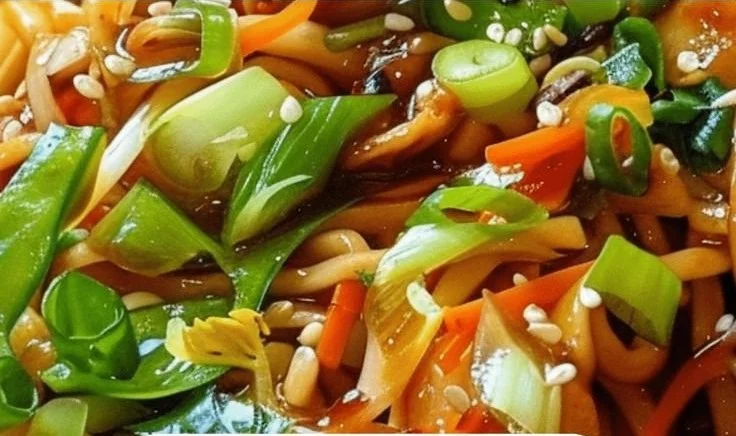
- Sauté the Vegetables: Add remaining oil to the pan and sauté carrots, cabbage, and garlic for 3-4 minutes, until vegetables are softened and cabbage is translucent.
- Combine and Cook: Add the cooked chicken and noodles back to the pan. Pour sauce over the top and stir to combine. Cook for an additional 2 minutes, ensuring everything is evenly coated and heated through.
- Garnish and Serve: Garnish with chopped green onions and serve hot.
Non-linear explanation: you can toss the noodles first if your pan is tiny, or rest the chicken while you text someone existentially; TIP: high heat gives wok breath, but don’t flirt with flames. ALSO — if your sauce looks thin, it’ll thicken in 30–60 seconds; patience, for once, wins.
You at home: let’s have a messy tea party
Are you someone who eats with a fork but then uses chopsticks for cool points? Me too. Do you argue with your partner about whether takeout containers count as dishes? Of course. Have you ever reheated leftovers and felt extremely proud? That’s the vibe we’re cultivating. Tell me: do you shred the chicken or keep it chunky? Do you like noodles limp or with a little voice? (Mine have opinions.) If you made this and it was meh, what did you do differently? If it was amazing, lie to me — I will accept compliments uncritically. Also, if you loved the garlic butter steak bites recipe that once convinced you adulthood was a myth, maybe try a different dinner vibe tonight and give these a whirl — and YES, I will judge your choice of takeout occasionally but with love. garlic butter steak bites
Common-ish questions from people who cook and people who microwave things by accident
Yes, but shrimp cooks faster; add it at the end and watch it like a hawk. Overcooked shrimp is a tragedy.
Usually not — it’s made from oysters — but there are mushroom-based vegetarian alternatives that do a fine impersonation.
Likely you overheated the sesame oil or didn’t whisk the cornstarch thoroughly before adding heat. Chill for 30 seconds and whisk like you mean it, or add a splash more broth and re-emulsify.
Swap tamari for soy and make sure the chow mein noodles are rice-based. Oyster sauce can be tricky; look for gluten-free labels.
Skillet reheat with a splash of broth over medium heat keeps noodles snappy; microwave if you must, but add moisture and stir every 30 seconds.
Sometimes food is therapy, sometimes it’s logistics. I am both amateur therapist and low-key DB (dinner boss). If you roast the cabbage until it whispers, that’s fine. If you double the chicken because protein = safety, fine. If you call this my best chow mein sauce and I blush, also fine. Also, I need to remember to call my mom back but the noodles are…
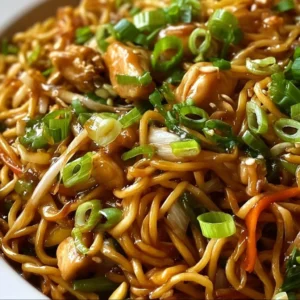
Chicken Chow Mein
Ingredients
Main ingredients
- 1 lb chicken breast, boneless, skinless
- 3 tbsp oil (neutral like canola or vegetable)
- 12 oz chow mein noodles (uncooked) Don’t over-soak the noodles or they’ll sulk.
- 2 cups cabbage, shredded Extra cabbage can stretch the meal and add crunch.
- 1 large carrot, julienned
- ½ batch green onions, chopped For garnishing.
- 2 cloves garlic, minced
Sauce ingredients
- 6 tbsp oyster sauce Usually found in the Asian aisle.
- 3 tbsp low-sodium soy sauce
- 3 tbsp light sesame oil (not toasted) Add off-heat to avoid bitterness.
- ½ cup chicken broth
- 1 tbsp cornstarch Add before the heat for better thickening.
- 1 tbsp granulated sugar
Instructions
Preparation
- In a small bowl, whisk together oyster sauce, granulated sugar, sesame oil, soy sauce, chicken broth, and cornstarch. Set aside.
- Cook chow mein noodles according to package instructions. Drain and rinse with cold water. Set aside.
Cooking
- Heat 2 tbsp oil in a large wok or skillet over medium-high heat. Cut chicken into bite-sized strips and cook until golden brown, about 5-7 minutes. Remove from pan and set aside.
- Add remaining oil to the pan and sauté carrots, cabbage, and garlic for 3-4 minutes, until vegetables are softened and cabbage is translucent.
- Add the cooked chicken and noodles back to the pan. Pour sauce over the top and stir to combine. Cook for an additional 2 minutes, ensuring everything is evenly coated and heated through.
Serving
- Garnish with chopped green onions and serve hot.