Simple Beef Tenderloin Recipe for an Elegant Dinner

Have you ever wished to put a dish on the table that instantly makes everyone pause and smile? That’s exactly how I feel whenever I serve my beef tenderloin recipe. It’s the kind of meal that feels elegant without being overwhelming, the sort of dish you’d expect in a fancy restaurant, yet it’s completely doable in a home kitchen like mine.
I remember the first time I cooked beef tenderloin. I was nervous—worried I’d ruin such a beautiful (and pricey) cut of beef. But once I understood the simple steps, it became my secret weapon for special dinners. Now, whether it’s a birthday, a cozy family night, or even just a Friday when I feel like celebrating, this is the roast I turn to.
What makes this recipe stand out is its balance of simplicity and sophistication. You don’t need dozens of ingredients or complicated techniques. With the right cut, good seasoning, and a gentle roasting method, you can create something that’s tender, juicy, and bursting with flavor. Add a rich garlic-herb butter and maybe a creamy mushroom sauce, and suddenly your kitchen feels like a five-star restaurant.
The beauty of this beef tenderloin roast recipe is that it doesn’t just taste good—it feels special. Every slice is buttery soft, and the aroma fills the room in a way that makes people gather around the table. Cooking should be about creating memories as much as meals, and this recipe has given me plenty of both. Let me show you why it’s worth trying.

Why This Beef Tenderloin Recipe Always Wins Hearts
Every cook has that one dish they can rely on when they want everything to go right. For me, this beef tenderloin recipe is that dish. It’s more than just food—it’s a way to bring people together and give them something to remember.
What Makes Beef Tenderloin So Special
Beef tenderloin is often called the most tender cut of beef, and for good reason. It requires no long marinating, no heavy sauces to “fix” it—its natural flavor shines through. When roasted carefully, it turns melt-in-your-mouth soft, with a mild taste that pairs with just about anything. I’ve served it with mashed potatoes, roasted veggies, even just a fresh salad, and it always works.
Another thing I love? It’s versatile. I’ve made this for Christmas dinner, but also for a random Tuesday when I wanted to treat myself. It’s a dish that fits every occasion, big or small. 🎉
The Cooking Method That Never Fails
One of the real secrets here is low-temperature roasting. By keeping the oven gentle, the meat cooks evenly from edge to center, avoiding those gray, dry layers. Add to that a quick sear for a golden crust, and you’ve got both beauty and flavor.
And let’s not forget the importance of resting. This simple pause lets all the juices settle back inside, so when you cut into it, every slice is perfectly juicy. Skipping this step is the only real mistake you could make here.
What You’ll Need: Ingredients for Perfect Beef Tenderloin
I like to keep my ingredient list short and to the point. Here’s what I always grab when I’m planning to make my favorite beef tenderloin recipe:
- 1 center-cut beef tenderloin (about 2–2.5 pounds) – Center-cut helps it cook evenly.
- Kosher salt – Simple but essential.
- Freshly ground black pepper – Adds the right amount of bite.
- 2 tablespoons olive oil – For that perfect sear.
- 4 tablespoons butter – Because butter makes everything better.
- 4 garlic cloves, minced – Garlic is a must for me.
- Fresh thyme or rosemary – Herbs make it smell heavenly.
- Optional mushroom sauce: Marsala wine, cream, and mushrooms if you want to go all in.
Tip from my kitchen: don’t skip fresh herbs. Dried ones just don’t give the same aroma. Also, if you want to impress, make the mushroom sauce—it’s not hard, and it takes this dish from great to unforgettable. 😉
How I Cook the Best Beef Tenderloin Step by Step
This is where the magic happens. Follow these steps and you’ll have a roast that’s restaurant-worthy every single time.
Step 1: Salt Ahead of Time
If you can, salt your tenderloin the night before. Sprinkle kosher salt all over and let it sit uncovered in the fridge. This little trick transforms the flavor and texture. If you forget, a couple of hours still helps—but overnight is truly next-level.
Step 2: Trim It Properly
Use a sharp knife to remove any extra fat and the silverskin (that shiny layer that gets chewy). It’s a small step, but it makes a big difference. Think of it as giving your beef a little polish before the big event.
Step 3: Sear for Flavor
Heat olive oil in a skillet until shimmering, then sear the tenderloin on all sides. You’re aiming for a golden crust—it locks in flavor and makes the roast look gorgeous. I like to think of this step as giving the beef a suntan. 🌞
Step 4: Roast Low and Slow
Transfer the beef to a roasting rack and cook at 250°F. For a 2–2.5 pound roast, it usually takes about 1–1.5 hours. Use a thermometer, not guesswork. For medium-rare, aim for an internal temperature of 130°F.
Step 5: Let It Rest
Once it’s out of the oven, cover loosely with foil and let it rest for 15 minutes. This step is non-negotiable. The juices need time to redistribute. If you cut it too soon, you’ll lose all that goodness.
Step 6: Make the Sauce (Optional but Worth It)
In the same pan you seared in, melt a bit of butter, add garlic and herbs, then mushrooms. Pour in Marsala wine to deglaze, stir in cream, and let it thicken. Season well. The sauce is rich, earthy, and perfect for drizzling over the beef.
Practical advice: If you’re nervous about timing, make the sauce while the beef is resting—it lines up perfectly.

Mistakes I Learned to Avoid with Beef Tenderloin
When I first started making this beef tenderloin roast recipe, I messed up a few times. Here are the mistakes I learned not to repeat:
- Overcooking – Trust your thermometer, not your eyes. 130°F is your friend for medium-rare.
- Skipping the rest – I once sliced too soon, and the cutting board was full of juices that should’ve stayed in the beef. Never again.
- Under-seasoning – Don’t be shy with salt and pepper. Tenderloin has a delicate flavor that needs a boost.
Avoiding these slips means your dish will be just as tender and flavorful as you dream it to be.
Fun Twists and Substitutions to Try
Sometimes I like to play around and give this beef tenderloin recipe a personal spin. Here are some ideas:
- Switch herbs: Rosemary feels bold, thyme feels classic. Sage adds a cozy autumn touch.
- Try sous vide: If you own a sous vide machine, it’s fantastic for precise doneness. Just finish with a quick sear.
- Experiment with other cuts: A ribeye roast or sirloin tip roast can be cooked similarly if tenderloin isn’t in your budget.
One time, I even made this with sage butter instead of thyme, and it gave the dish a warm, holiday-like vibe. Don’t be afraid to experiment—you might find your own “signature” version.
Questions I Often Hear About Beef Tenderloin
Over time, friends and family have asked me plenty of questions about this dish. Here are the ones that come up the most:
Can I swap butter for margarine?
Technically yes, but honestly… don’t. Butter gives richness that margarine just doesn’t. Unless you’re vegan, I’d always stick with butter.
What’s the best doneness?
Medium-rare is ideal—it’s juicy, tender, and flavorful. Well-done is an option, but you lose a lot of what makes tenderloin special.
How should I store leftovers?
In an airtight container in the fridge for up to 3 days. I recommend slicing it before storing—it reheats more evenly.
Can I prepare it ahead?
You can salt and trim ahead of time, but cook fresh if you can. If you must, reheat gently in the oven, covered, at a low temperature.
What sides go well?
My favorites are creamy mashed potatoes and roasted vegetables. But even a crisp garden salad works beautifully. Balance the richness of the beef with something light and fresh.
Personal tip: Don’t overcomplicate sides. Simple is best—it lets the tenderloin shine.
Wrapping It Up: Why I’ll Always Love This Recipe
Cooking beef tenderloin once intimidated me, but now it’s the dish I look forward to making the most. It’s elegant yet approachable, impressive yet simple. With the right steps—seasoning, searing, roasting, and resting—you get a roast that’s tender, flavorful, and unforgettable.
If you try this recipe, I promise it’ll become your go-to for special meals. Add the mushroom sauce if you want a little extra flair, or keep it classic with just butter and herbs. Either way, it’ll feel like a celebration. 😋
For me, this dish has become more than a recipe—it’s a memory-maker. I still think back to the time I made it for my parents’ anniversary; the way their faces lit up when they took the first bite is something I’ll never forget. That’s the power of food—it connects, it comforts, and it celebrates.
So next time you want to wow your guests—or simply treat yourself—reach for this beef tenderloin recipe. You won’t regret it.
Related Recipes to Complement Your Beef Tenderloin Recipe
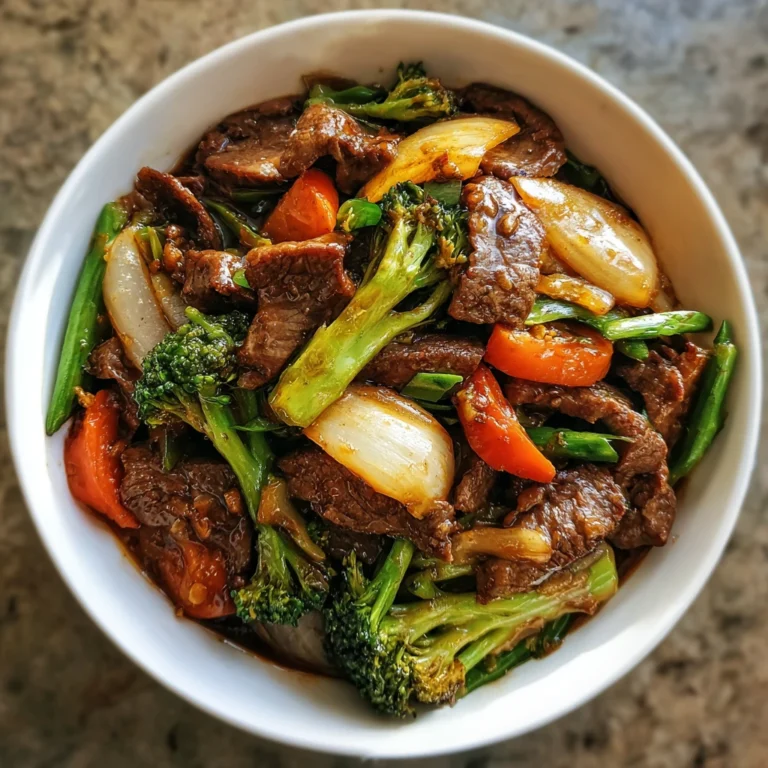
Delicious Beef Stir Fry Recipe
A quick and flavorful weeknight beef dish with tender vegetables and savory sauce.
Crispy Honey Orange Glazed Salmon
A bright and elegant seafood main course, perfect for special occasions or a lighter alternative to beef.
Welcome to My Pot Roast
A comforting, slow-cooked classic packed with hearty flavors, ideal for family gatherings.
Did You Like This Recipe?
There are no reviews yet. Be the first one to write one.

Beef Tenderloin Recipe Card
Course: MainCuisine: AmericanDifficulty: Medium8
servings20
minutes1
hour40
minutes500
kcalIngredients
1 center-cut beef tenderloin (2–2.5 lbs)
Kosher salt
Black pepper
2 tbsp olive oil
4 tbsp butter
4 garlic cloves, minced
Fresh thyme or rosemary
- Optional Sauce:
1 cup mushrooms, sliced
½ cup beef broth
½ cup cream
Directions
- Salt tenderloin all over (ideally overnight in fridge, uncovered).
- Trim silverskin and excess fat.
- Sear in hot skillet with olive oil until browned on all sides.
- Roast at 250°F for 1–1.5 hrs until 130°F internal (medium-rare).
- Rest 15 minutes under foil.
- Optional Sauce: Sauté garlic, herbs, and mushrooms in butter. Deglaze with beef broth, stir in cream, season, and simmer until thickened.
- Serve tenderloin sliced, with or without sauce.