How to Perfectly Cook Beef Chuck Tender Roast for Ultimate Flavor
While we have provided a jump to recipe button, please note that if you scroll straight to the recipe card, you may miss helpful details about ingredients, step-by-step tips, answers to common questions and a lot more informations that can help your recipe turn out even better.
I believe a roast can fix the world. Or at least the Thursday night parts of it. Also I believe you can be deeply emotional about beef and still cry because the smoke alarm thinks the roast is dramatic. If you want the low-key glory of Beef Chuck Tender Roast Recipes: Unforgettable Flavor Awaits! (yes that phrase is a mouthful and yes I said it out loud), this is me handing you the slightly singed map.
I write this while my dog judges me, and also while thinking about that Mediterranean chicken recipe I once made that did not flop — oddly relevant because if you want another cozy dinner idea, this simple Mediterranean chicken saved a Tuesday and my dignity.
When My Beef Chuck Tender Roast Dinner Became a Science Experiment
I have ruined this roast more ways than I have room for in a single paragraph. Once it came out like leather sandwiching sadness (you could hear the chew — not in a good way). Another time it smelled like an onion factory exploded and somehow also like failure. There was a sizzling sound that made me stand up and stare at the oven like it owed me money. I under-seasoned it once (shame), overcooked it once (sob), and attempted a last-minute glaze that smelled aggressively like regret.
It’s embarrassing because I tell people I cook things on the regular. Also because I made this for a date and the date was lovely and the roast was… not. There are flavors in my past dinner fails that could write a memoir. But I kept tinkering. Mostly from stubbornness, but also because leftover roast makes a killer sandwich and I will not be denied my sandwich fantasies.
Why This Version Finally Works (And Why I’m Still Skeptical)
Okay, so we made changes. Small ones. Emotional ones. Practical ones. I stopped trying to haute-cuisine my way through a weekday and started treating the roast like a long, patient friend: salt early, sear properly, liquid that actually tastes like something. That tiny switch — actually simmering onions and garlic before pouring in broth — was a quiet revolution. Also: letting it rest. Rest, people. Meat needs time to think about what it did.
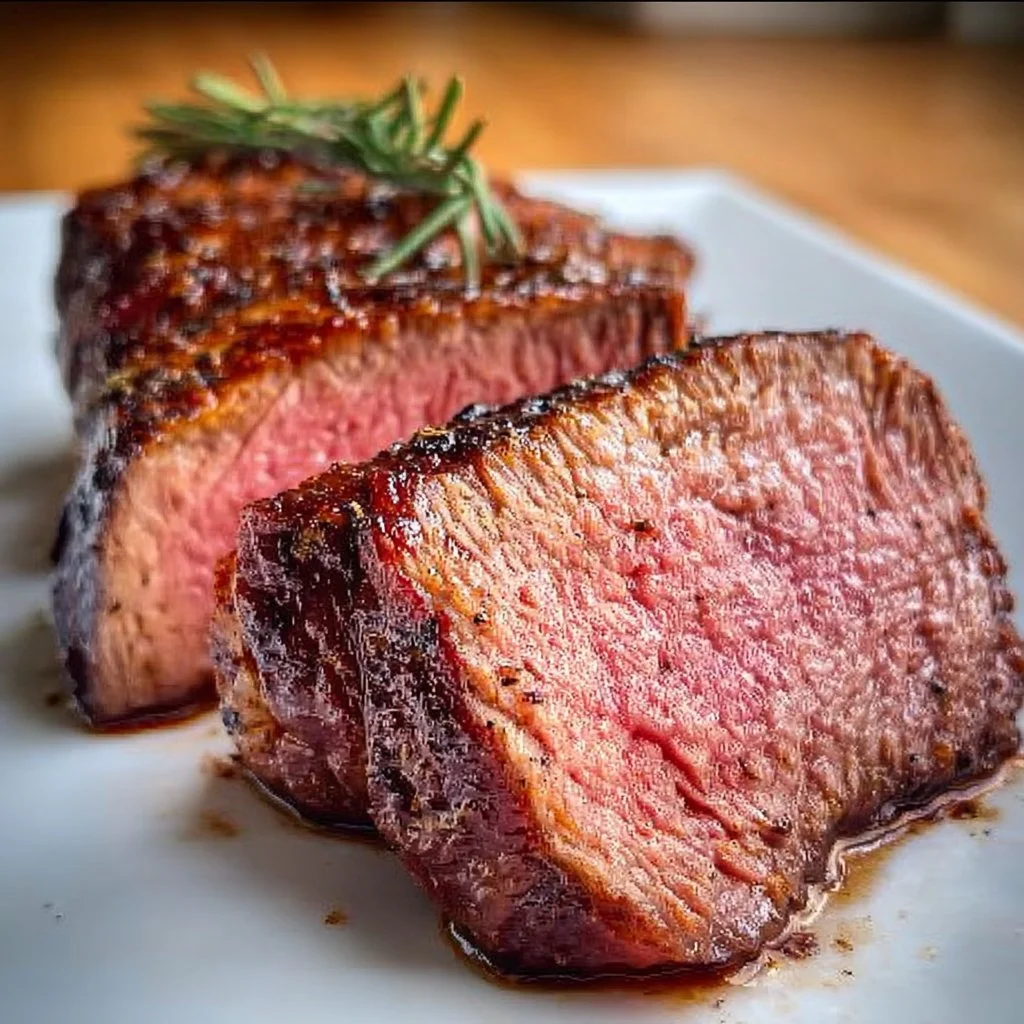
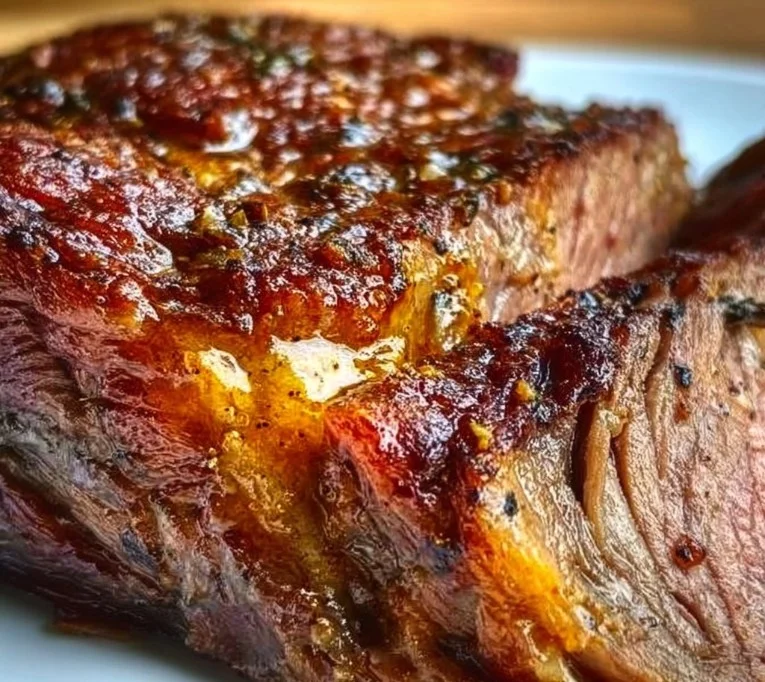
This version of the recipe (yes, the one that might show up under searches like Beef Chuck Tender Roast Recipes: Unforgettable Flavor Awaits!) works because the fat rendered, the connective tissue surrendered, and the thyme didn’t get dramatic about it. And because I stopped flipping it every five minutes like a panicked bird. Confidence? Mild. Doubt? Resident. But the roast now yields when you prod it (which is a weirdly satisfying test).
Ingredients
- 3–4 lbs beef chuck tender roast
- 2 tablespoons olive oil
- 1 onion, chopped
- 4 cloves garlic, minced
- 2 cups beef broth
- 1 tablespoon Worcestershire sauce
- 2 teaspoons dried thyme
- Salt and pepper to taste
- Carrots and potatoes (optional)
budget, texture, availability — buy decent broth (it’s the lazy shortcut to depth), carrots are cheap and make everything feel civilized, potatoes will soak up all the good stuff and become the reason you eat it in the first place.
Cooking Unit Converter
If you like to overthink tablespoons and cups like it’s an Olympic sport, this little tool helps translate the panic into sensible measurements.
The Roast (aka The Plan That Usually Works If I Don’t Panic)
- Preheat the oven to 325°F (163°C).
- Season the beef chuck tender roast with salt and pepper.
- In a large skillet, heat olive oil over medium-high heat and sear the roast on all sides until browned.
- Remove the roast and set aside. In the same skillet, add chopped onion and garlic, sautéing until softened.
- Add beef broth, Worcestershire sauce, and thyme to the skillet, stirring to combine.
- Place the roast in a roasting pan and pour the broth mixture over it.
- Add carrots and potatoes if desired.
- Cover the pan with foil and roast in the preheated oven for 2.5 to 3 hours, or until the meat is tender.
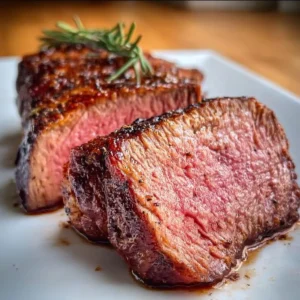
- Remove from the oven, let rest for 10 minutes, then slice and serve.
And then a confession: sometimes I baste. Sometimes I forget. Sometimes I peek like it’s a toddler. PRO TIP? Don’t over-peek. Also, if your roast is under 3 lbs it cooks faster — obviously — and if you want gravy, thumb through the broth, reduce it, whisk a little butter (or a slurry) — yes I said butter. Interrupting myself: use a thermometer if you are one of those people who likes numbers.
You, Me, and the Great Kitchen Debate
Do you also talk to the roast? No? Just me? Cool. Where do you stash your foil (honest question), and is your dog allowed to lick the platter? Also, tell me the truth: do you buy pre-chopped onions sometimes because life is short? I assume we’ve all had a version of the "I’ll just pop it in the oven" dream that turned into a smoke alarm EDM set. What worked for you? What didn’t? I will listen and then contradict myself in the replies. If you liked this technique, maybe pair it with something lighter — like those bright Thai basil rolls I pretend are healthy when I eat three — see how they balance heavy roast energy over here: Thai basil beef rolls (not saying it’s a miracle but it is).
Questions You Didn’t Know You’d Ask
When it’s fork-tender and you can feel it yield with a gentle prod. Thermometer fans: aim for about 195°F for shreddable tenderness, but texture is the real judge.
Absolutely. Rosemary is dramatic and will steal the show; oregano is quieter. Thyme is dependable and doesn’t argue.
It adds umami depth and personality. If you’re allergic or avoiding it, a splash of soy or a teaspoon of miso dissolved in broth can play backup.
No. If you slice against the grain and keep the juices, they revive in sandwiches, pastas, or as a sadly majestic 2 a.m. snack.
Yes to both. Slow cooker? Low for 8 hours. Instant Pot? High pressure for about 60–70 minutes then natural release. I sometimes use appliances because I like to nap while dinner happens.
I keep thinking about how dinners mark time — like, you remember the roast you burned the year your kid learned to ride a bike, right? Or maybe that was just me. This roast has become a tiny ceremonial thing in my kitchen: not perfect, a little flawed, and mostly lovable. I should probably stop anthropomorphizing meat, but also — why not — and also did I leave the oven on or did I actually turn it off…?
Daily Calorie Needs Calculator
If you want to guiltlessly estimate portions and pretend numbers make eating simpler, this calculator helps you decide how many roast-powered beliefs you can afford today.
Beef Chuck Tender Roast
Ingredients
Main Ingredients
- 3–4 lbs beef chuck tender roast
- 2 tablespoons olive oil For searing the roast
- 1 medium onion, chopped
- 4 cloves garlic, minced
- 2 cups beef broth Use a decent quality for better flavor
- 1 tablespoon Worcestershire sauce For depth of flavor
- 2 teaspoons dried thyme Can be substituted with other herbs
- to taste Salt and pepper Essential for seasoning
- as desired Carrots and potatoes Optional, but they absorb flavors well
Instructions
Preparation
- Preheat the oven to 325°F (163°C).
- Season the beef chuck tender roast with salt and pepper.
- In a large skillet, heat olive oil over medium-high heat and sear the roast on all sides until browned.
- Remove the roast and set aside.
- In the same skillet, add the chopped onion and garlic, sautéing until softened.
- Add beef broth, Worcestershire sauce, and thyme to the skillet, stirring to combine.
Cooking
- Place the roast in a roasting pan and pour the broth mixture over it.
- Add carrots and potatoes if desired.
- Cover the pan with foil and roast in the preheated oven for 2.5 to 3 hours, or until the meat is tender.
- Remove from the oven, let rest for 10 minutes, then slice and serve.